Trail overview
About Black Peak Expedition
A grounded introduction before you get into route details.
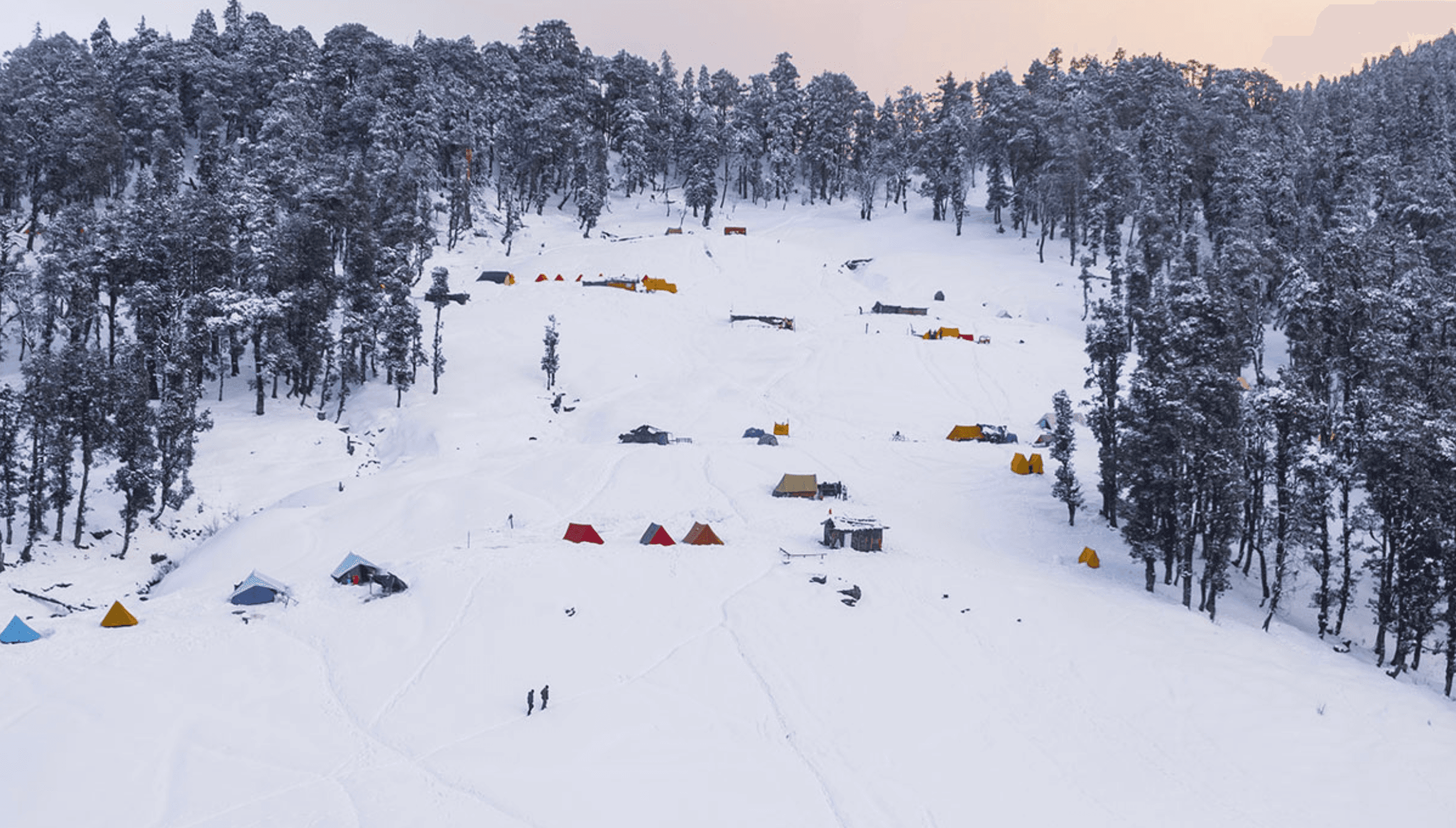
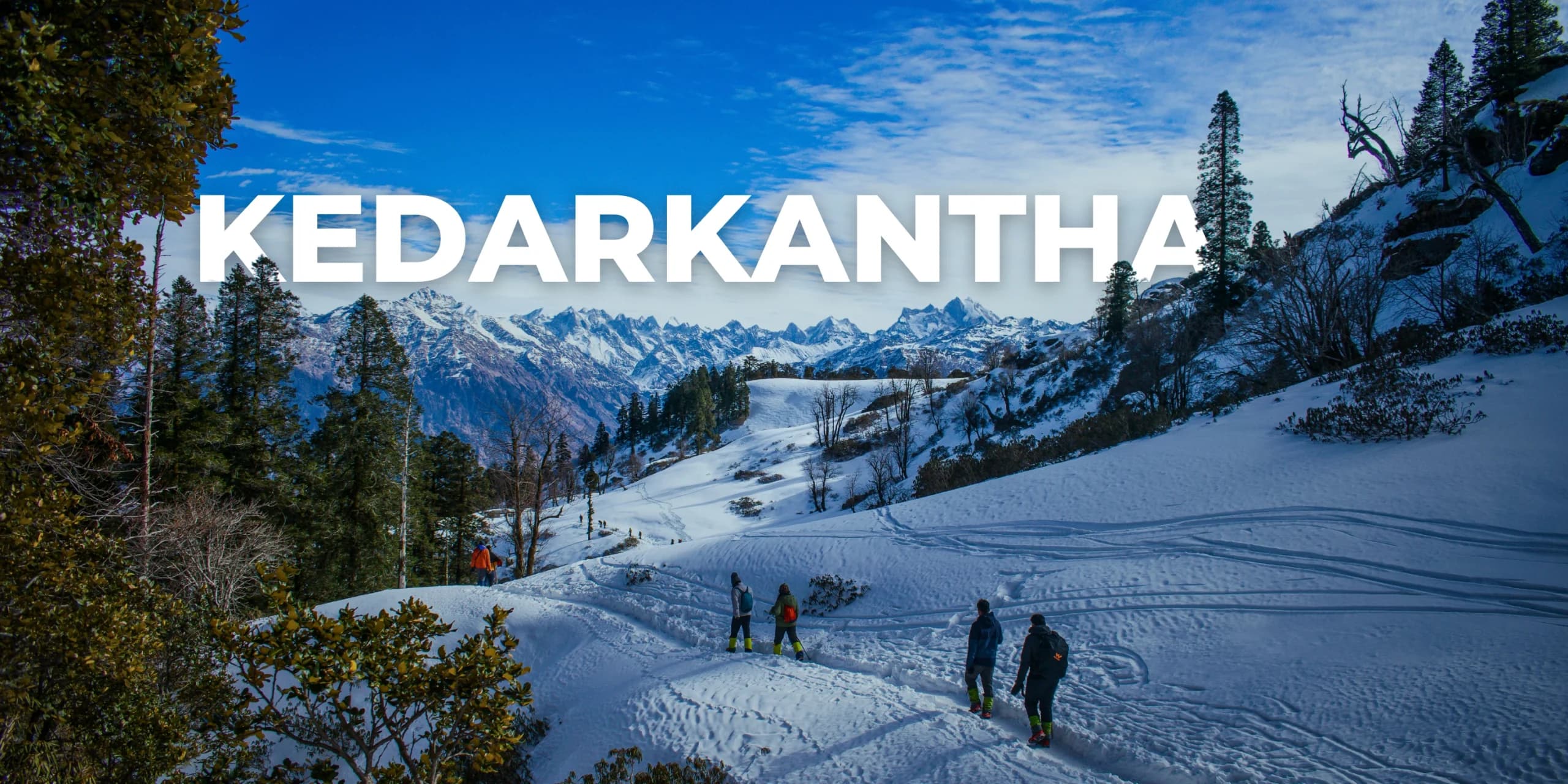
Trail overview
A grounded introduction before you get into route details.
Know before you go
Essential travel, stay and seasonal information at a glance.


Why you will love this trek
Day by day plan
13 Days / 12 Nights • Kathmandu to Kathmandu
Select a day to view details
Know your fit
A compact readiness check before booking the trek.
Plan your arrival
Travel to Kathmandu first, then continue to Everest Base Camp for the trek.



Take a train from Delhi to Gorakhpur Railway Station. From Gorakhpur, travel to the Sunauli border, cross into Nepal and continue to Kathmandu by bus or taxi.
 95–100 km
Take a flight from Delhi to Kathmandu International Airport. From Kathmandu, arrange a domestic flight to Lukla, the usual starting point for the Everest Base Camp Trek.
1.5–2 hrs
Travel from the Sunauli border to Kathmandu by tourist or local bus. From Kathmandu, arrange a flight to Lukla or continue by road towards the alternative trekking trailheads.
 270–290 km
 Kathmandu to Ramechhap by Traveller / Jeep / Shared Taxi, fly to Lukla.
What is covered
A quick breakup of what is included in the trek cost and what should be planned separately.
Included
Menus can rotate by batch, weather, and campsite logistics.
Not Included
Pack smart
Pack light, layer well, and stay ready for changing mountain weather.
Booking policy
A quick refund and voucher summary before you confirm your trek booking.
Need clarity?
Quick answers to the most common trek questions before you book.
Everest Base Camp Trek is one of the world's most famous high-altitude Himalayan treks, taking trekkers through Nepal's Khumbu region to the base of Mount Everest. The journey is known for Sherpa villages, Buddhist monasteries, suspension bridges, glaciers and spectacular views of some of the world's highest mountains.
Everest Base Camp is located in the Khumbu region of northeastern Nepal, within Sagarmatha National Park. The trek commonly begins after reaching Lukla and follows the trail through villages such as Phakding, Namche Bazaar, Tengboche, Dingboche and Lobuche.
Everest Base Camp Trek is generally rated Moderate to Difficult. The trail itself is not a technical climb, but the high altitude, long trekking days, cold temperatures and extended duration make it physically demanding. Good fitness and proper acclimatisation are essential.
Everest Base Camp is situated at approximately 5,364 metres (17,598 ft) above sea level. Many itineraries also include Kala Patthar, which reaches approximately 5,545 metres (18,192 ft) and is usually the highest point of the trek.
The classic Everest Base Camp route involves approximately 130 km of trekking round trip, depending on the exact itinerary, acclimatisation walks and route followed.
The Himalayasgriffon Everest Base Camp itinerary is planned as a multi-day high-altitude trek with dedicated acclimatisation days. The exact duration depends on the selected package, route, flight arrangements and travel plan.
The classic trek generally starts from Lukla. Trekkers commonly reach Lukla by a short domestic flight before beginning the trek towards Phakding and Namche Bazaar.
Yes, for physically fit and well-prepared beginners, but the altitude should not be underestimated. Previous trekking experience is helpful but not always mandatory. Trekkers should train properly and be prepared for multiple consecutive days of walking at high altitude.
The most popular trekking seasons are generally March to May and September to November. These periods usually offer more favourable trekking conditions and mountain visibility, although Himalayan weather can change at any time.
Yes. Snow can occur around the higher sections of the trek, particularly near Lobuche, Gorak Shep, Everest Base Camp and Kala Patthar. Snowfall and trail conditions vary depending on the season and weather.
The summit of Mount Everest is not clearly visible from Everest Base Camp itself because surrounding mountains obstruct the view. For one of the classic close-range views of Everest, trekkers commonly climb Kala Patthar.
Kala Patthar is a famous viewpoint above Gorak Shep that reaches approximately 5,545 metres. It offers spectacular views of Mount Everest, Nuptse, Lhotse, Pumori and the surrounding Himalayan landscape.
Accommodation during the trek generally includes teahouses/lodges along the route. Accommodation in Kathmandu or other locations depends on the selected Himalayasgriffon package.
Meals depend on the selected Himalayasgriffon package. Along the trekking route, meals are generally served at local teahouses and lodges, with both Nepali and common trekking-menu options available.
Lukla flight arrangements depend on the selected Himalayasgriffon package. The exact inclusions, baggage restrictions, departure airport and flight arrangements will be clearly mentioned in the booking itinerary.
Essential items include:
Yes. Proper trekking shoes with good grip and ankle support are strongly recommended because the trail includes rocky, uneven, dusty, icy or snowy sections depending on the conditions.
Yes. Selected trekking equipment can generally be arranged on a rental basis, subject to availability. Requirements should be confirmed before departure.
Everest Base Camp can be undertaken safely with proper acclimatisation, preparation and professional trek support. However, high altitude, cold temperatures and rapidly changing mountain weather present genuine risks. Trekkers should always follow their trek leader's instructions.
Yes. Acclimatisation is extremely important. A properly designed itinerary includes gradual altitude gain and dedicated acclimatisation days, commonly around locations such as Namche Bazaar and Dingboche.
Altitude sickness can occur when the body does not adapt properly to reduced oxygen levels at higher elevations. Symptoms can include headache, nausea, unusual fatigue, dizziness and difficulty sleeping. Symptoms should always be reported promptly to the trek leader.
Yes. Trekkers require the applicable permits for the Everest/Khumbu region. Permit requirements and procedures can change, so the current documentation should be confirmed before departure.
International travellers generally need to meet Nepal's applicable visa and entry requirements. Requirements vary according to nationality and can change, so travellers should verify the current rules before departure.
Travel insurance is strongly recommended. The policy should specifically cover high-altitude trekking up to the maximum elevation of the itinerary and, where applicable, emergency medical treatment and helicopter evacuation.
Flights to and from Lukla are highly dependent on weather and visibility. Delays or cancellations can occur. If this happens, the itinerary or transportation arrangements may need to be adjusted according to operational conditions and available alternatives.
Suitability depends on age, fitness, medical condition, trekking experience and ability to acclimatise. Because the trek reaches very high altitude and lasts for multiple days, individual fitness and medical suitability should be carefully assessed before booking.
If heavy snowfall, strong winds, poor visibility, unsafe trail conditions or other factors make trekking unsafe, the trek leader may modify the itinerary, delay movement, change the route or stop the group from proceeding.
No. The itinerary is planned to reach Everest Base Camp, but actual access is subject to weather, trail conditions, individual acclimatisation, health and safety considerations. Safety always takes priority over reaching the destination.
With Himalayasgriffon, the focus is on a safe, well-organised and memorable Himalayan experience, with carefully planned acclimatisation, experienced trek support and organised logistics throughout the journey.
See the trail
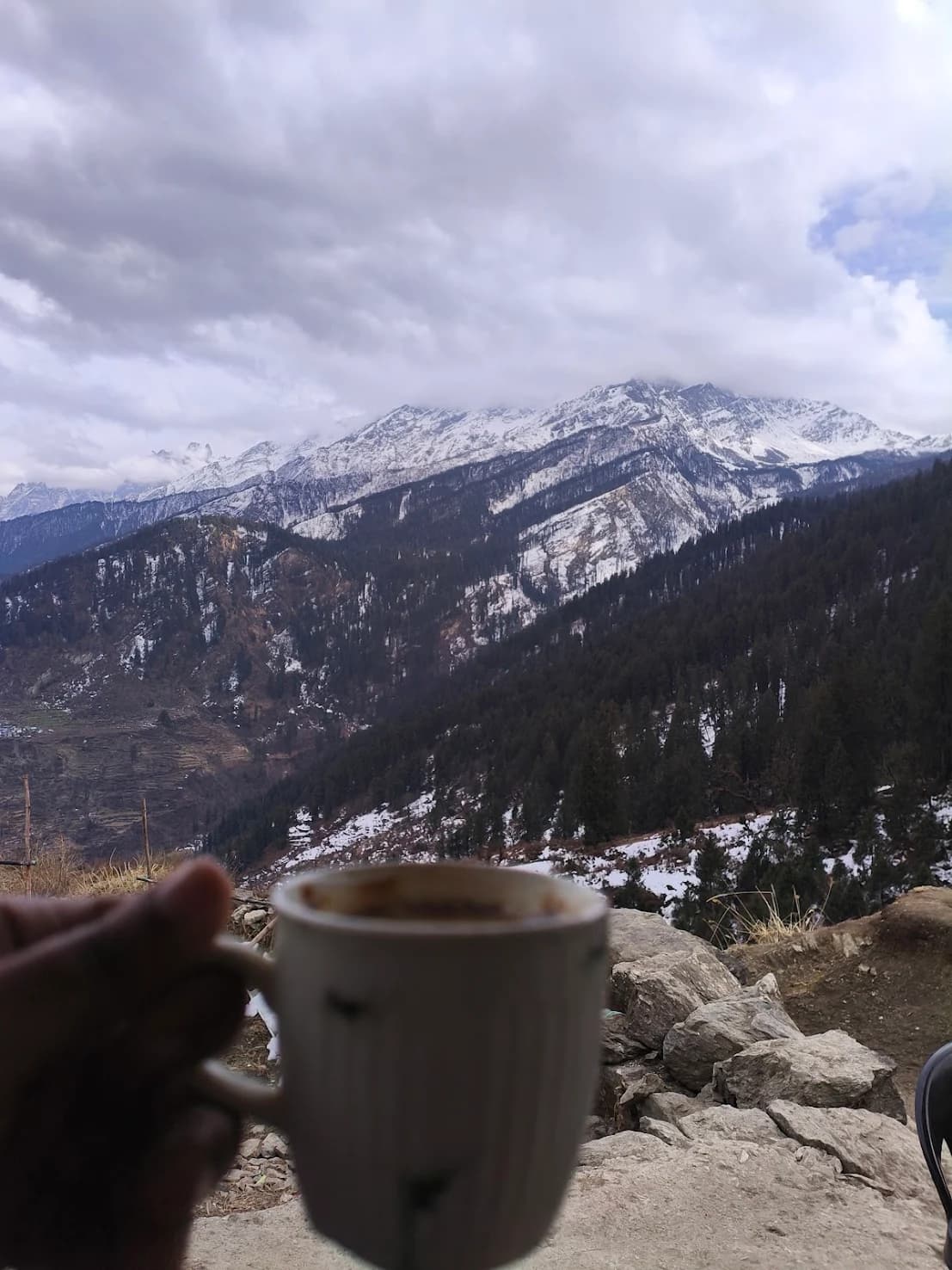
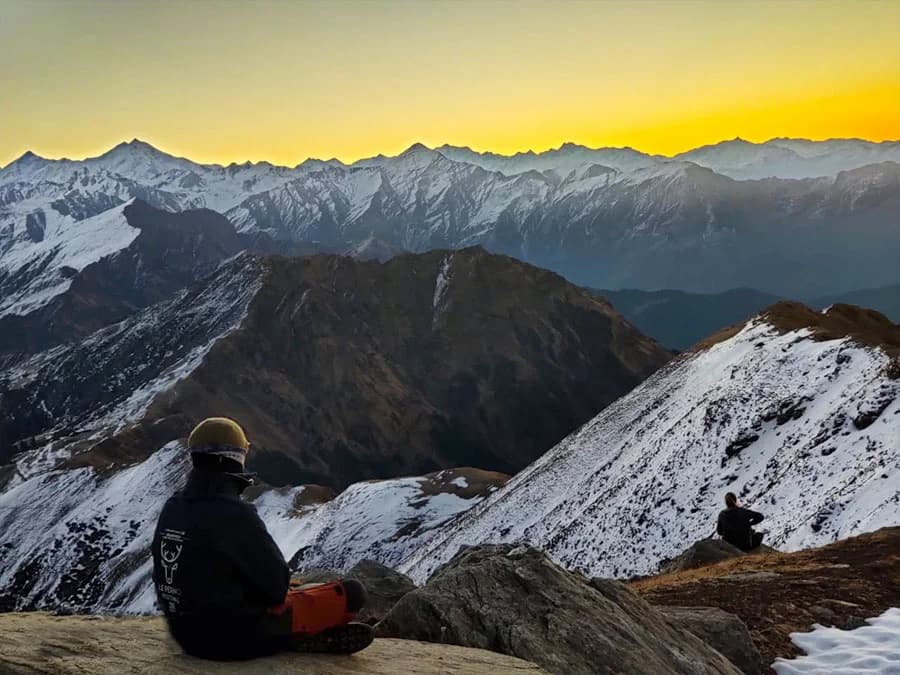
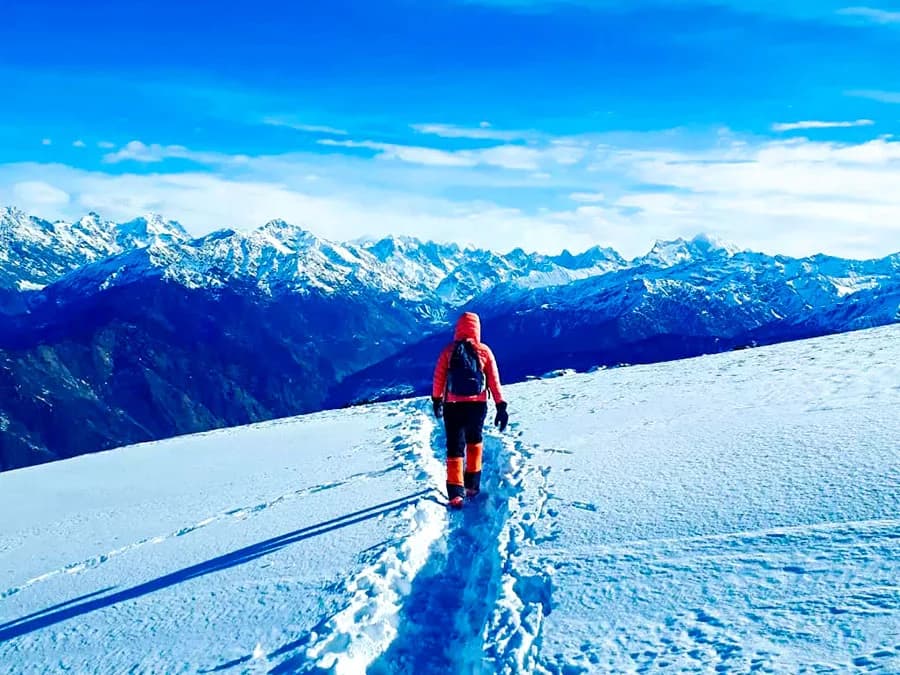
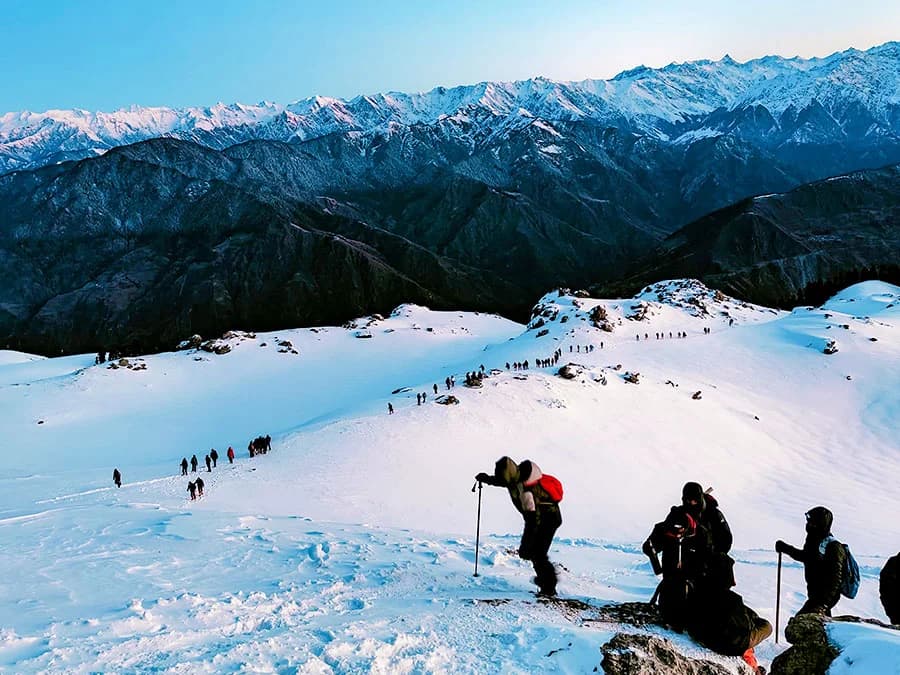
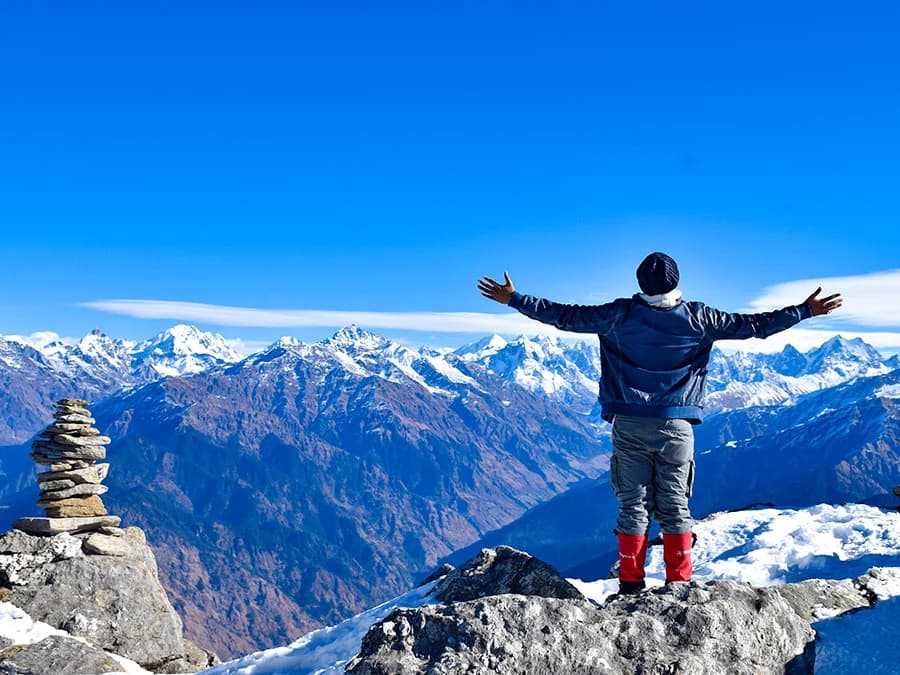
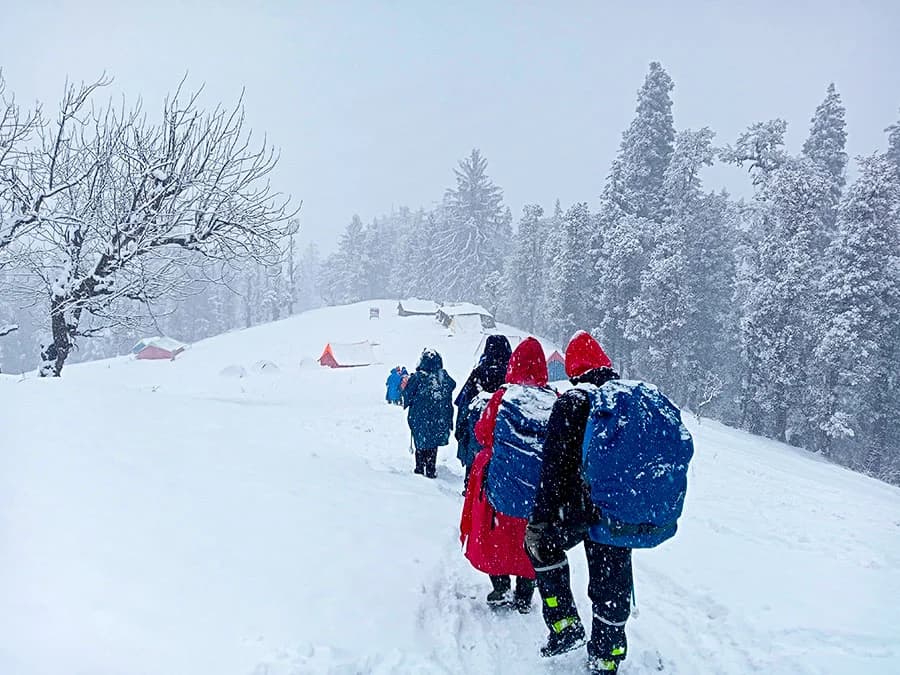
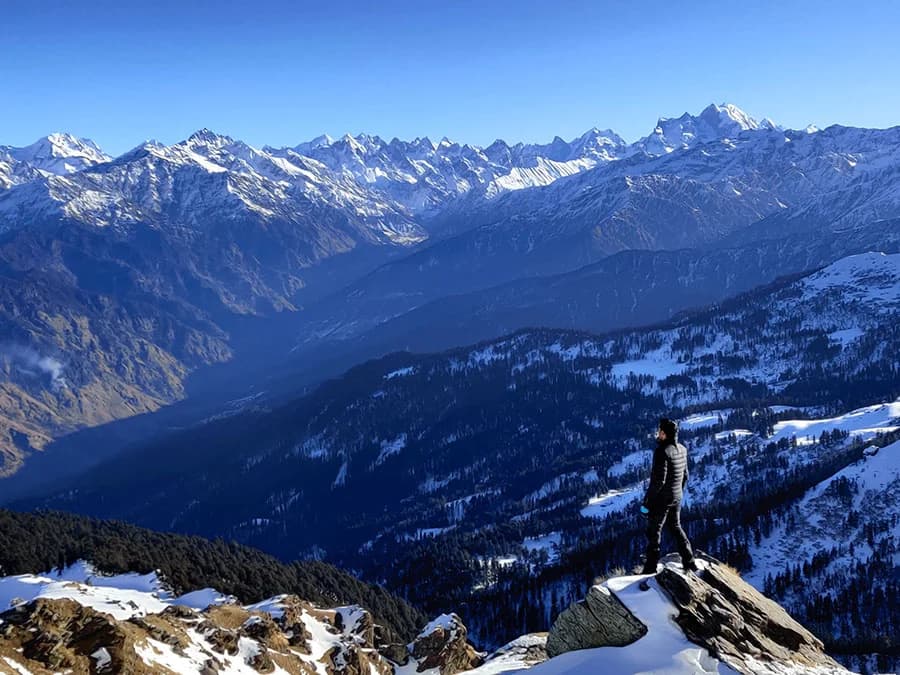
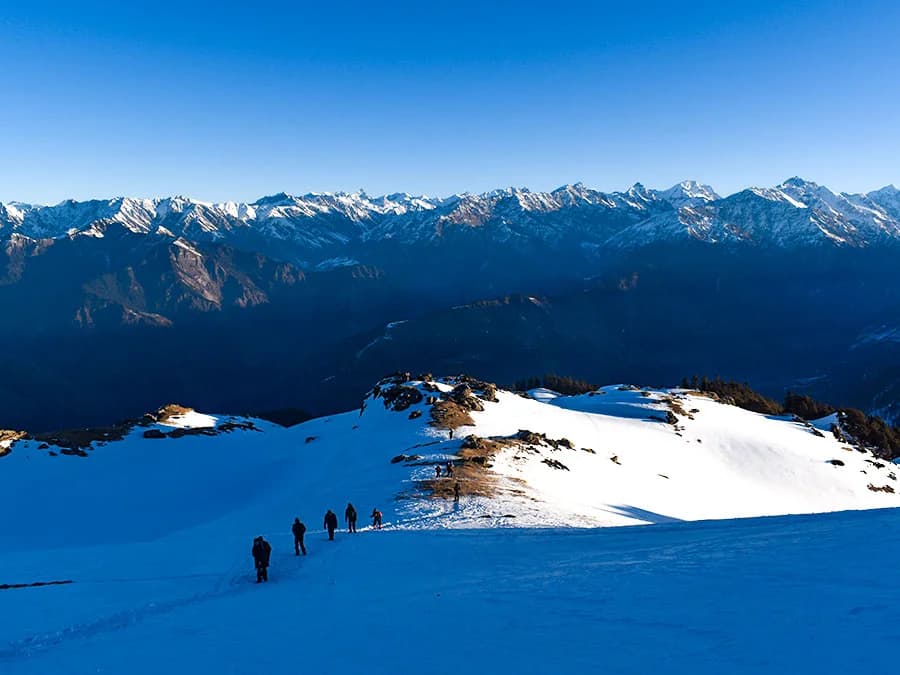
Explore Everest Base Camp Trek through photographs and trail films.
Safety first
Clear mountain protocols, practical field response, and slow-and-steady pacing shape every Everest Base Camp Trek batch we run.
Traveller Stories
Real experiences from people who explored the Himalayas with us.
It was an amazing trekking experience! The arrangements were perfect, guides were super helpful, and the overall vibe was just awesome. We enjoyed every moment and created unforgettable memories. Highly recommended for every adventure lover!
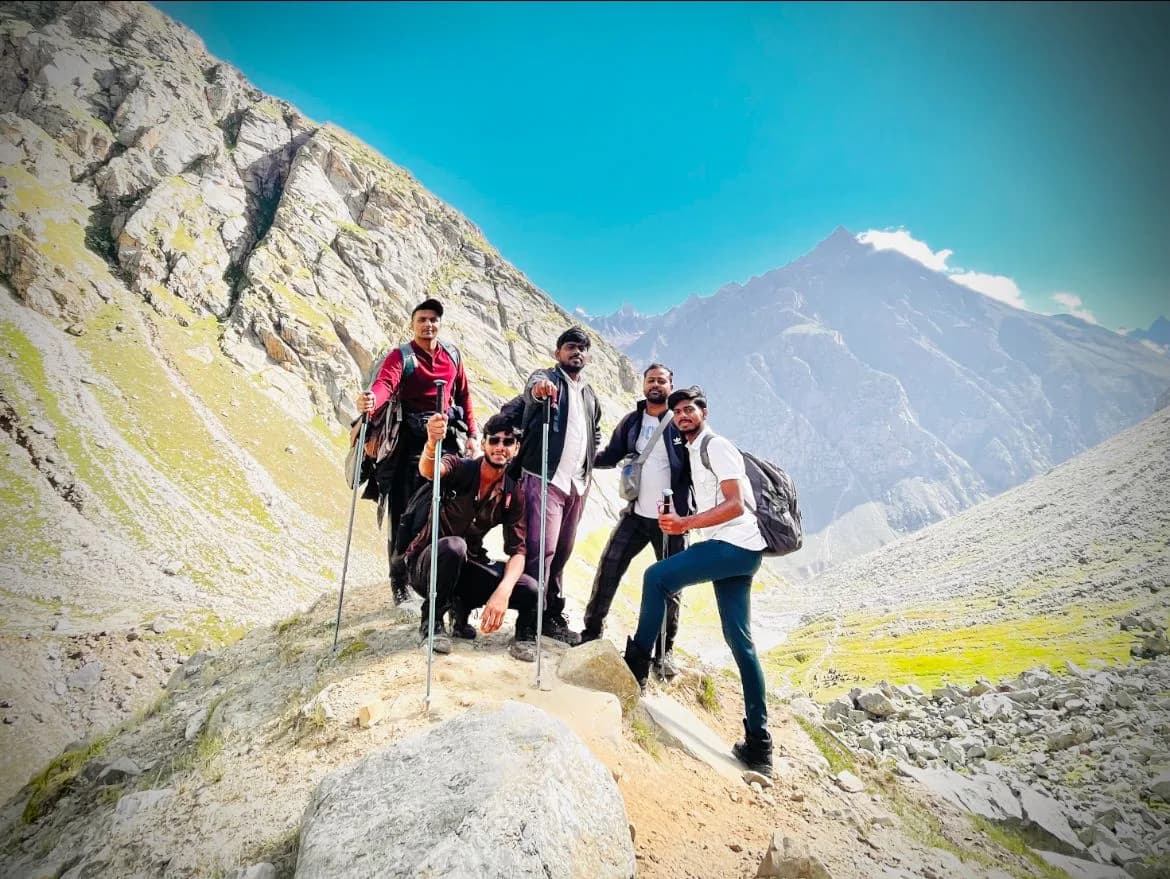
Points that really worked for me. All home stay we stayed, Wherher it was at Sankari or Osla were very comfortable and great hospitality. Timely food and family like atmosphere in mountains and when you are seating in the tent when it rains outside, the conversations and stories from our Trek leader Suraj were interesting and entertaining. Suraj Rana definitely should be your trek guide. But be prepared for the mountains. As they say Mumbai ka fashion aur pahado ka Mausam kabhi bhi badal sakta hai Thanks Suraj Rana
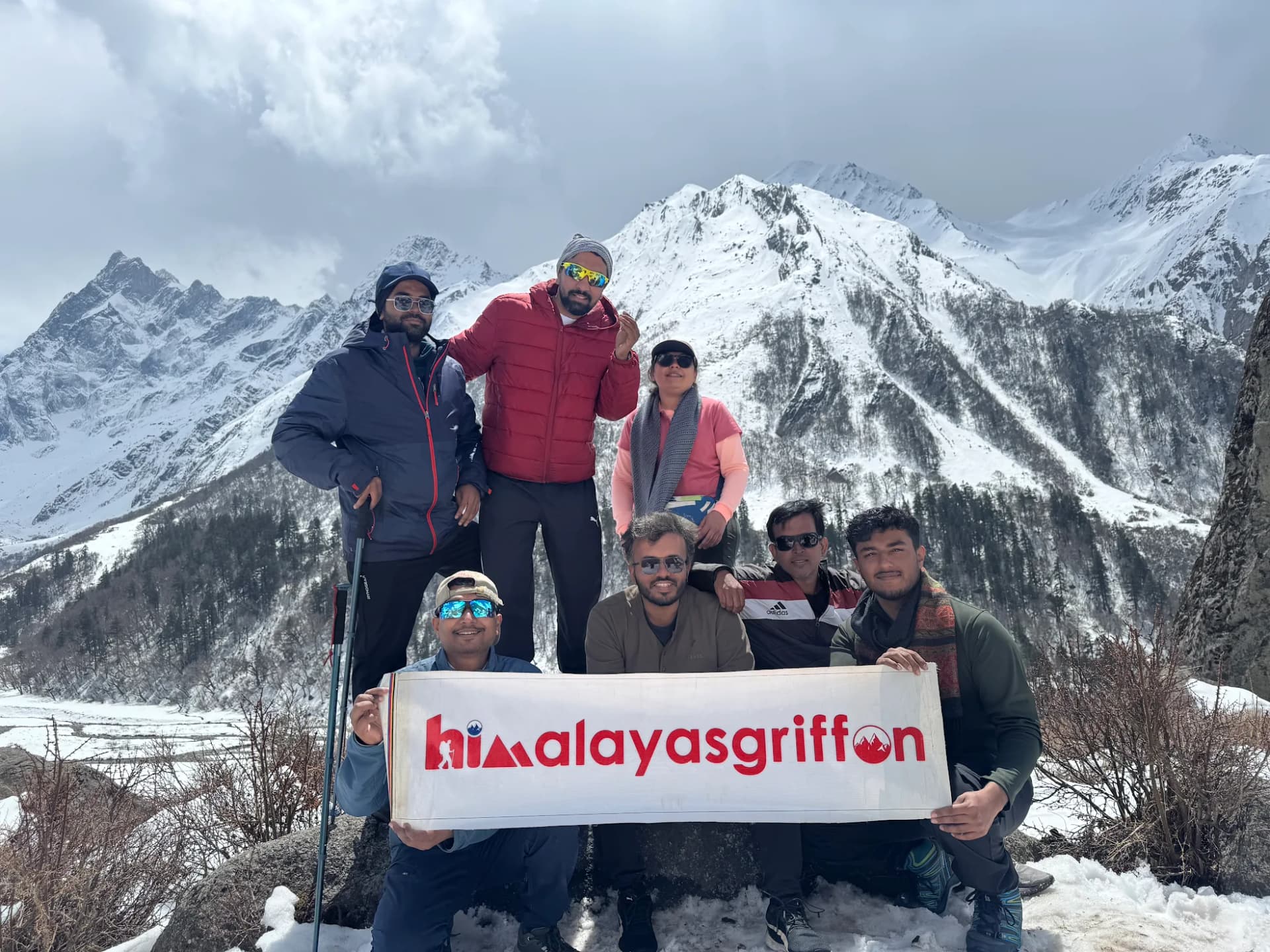
My trip was great with himalayasgriffon❤️ .Food was nice. Our trek leader vijalu sir was very helpful and supportive, thanks
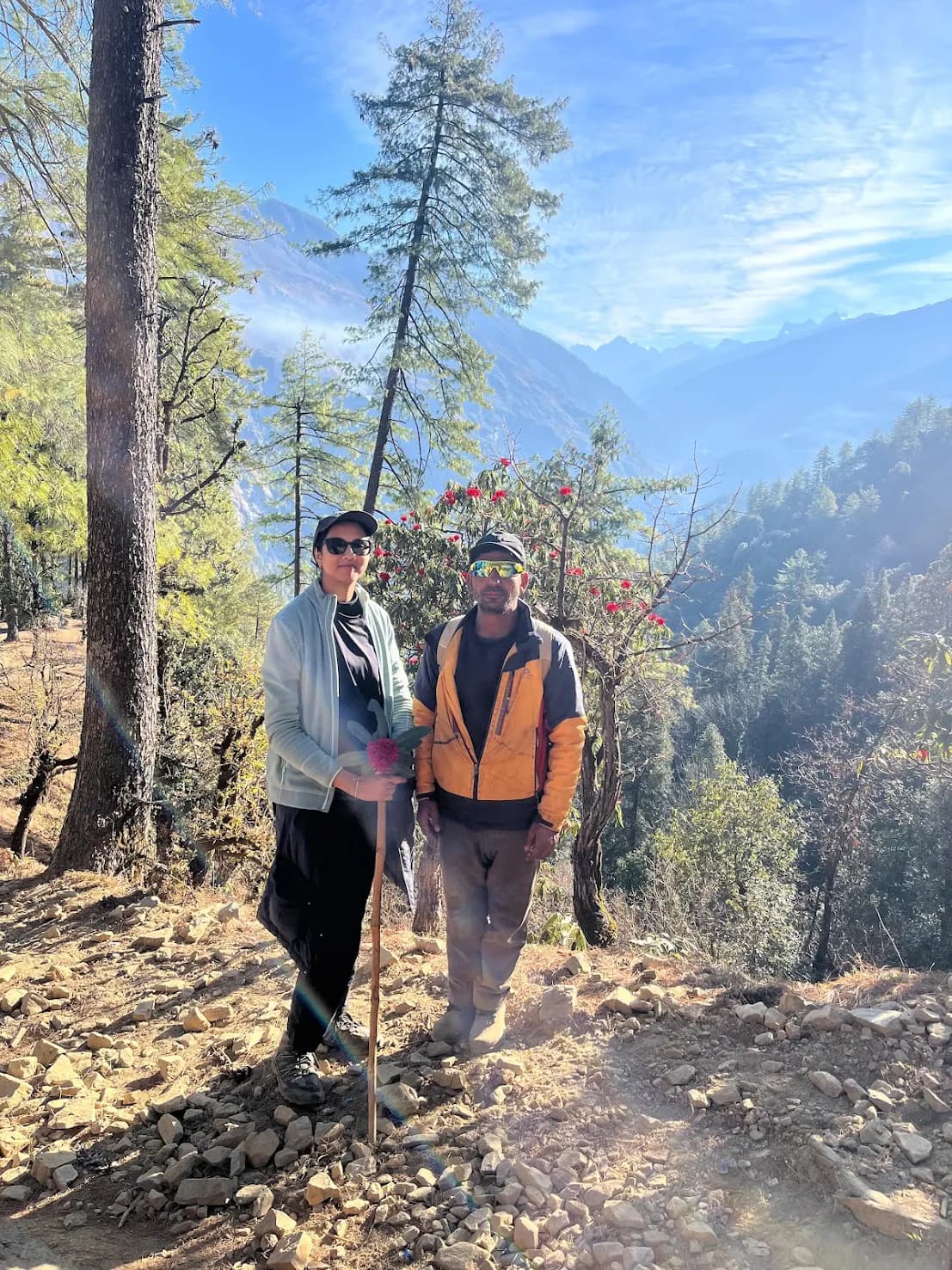
Had a great experience with the Himalayasgriffon. Shoutout to our trek leader Chaitnaya and Suraj sir without them things would have not been this smooth. Thank you to both the leaders for all the support.